The Challenge
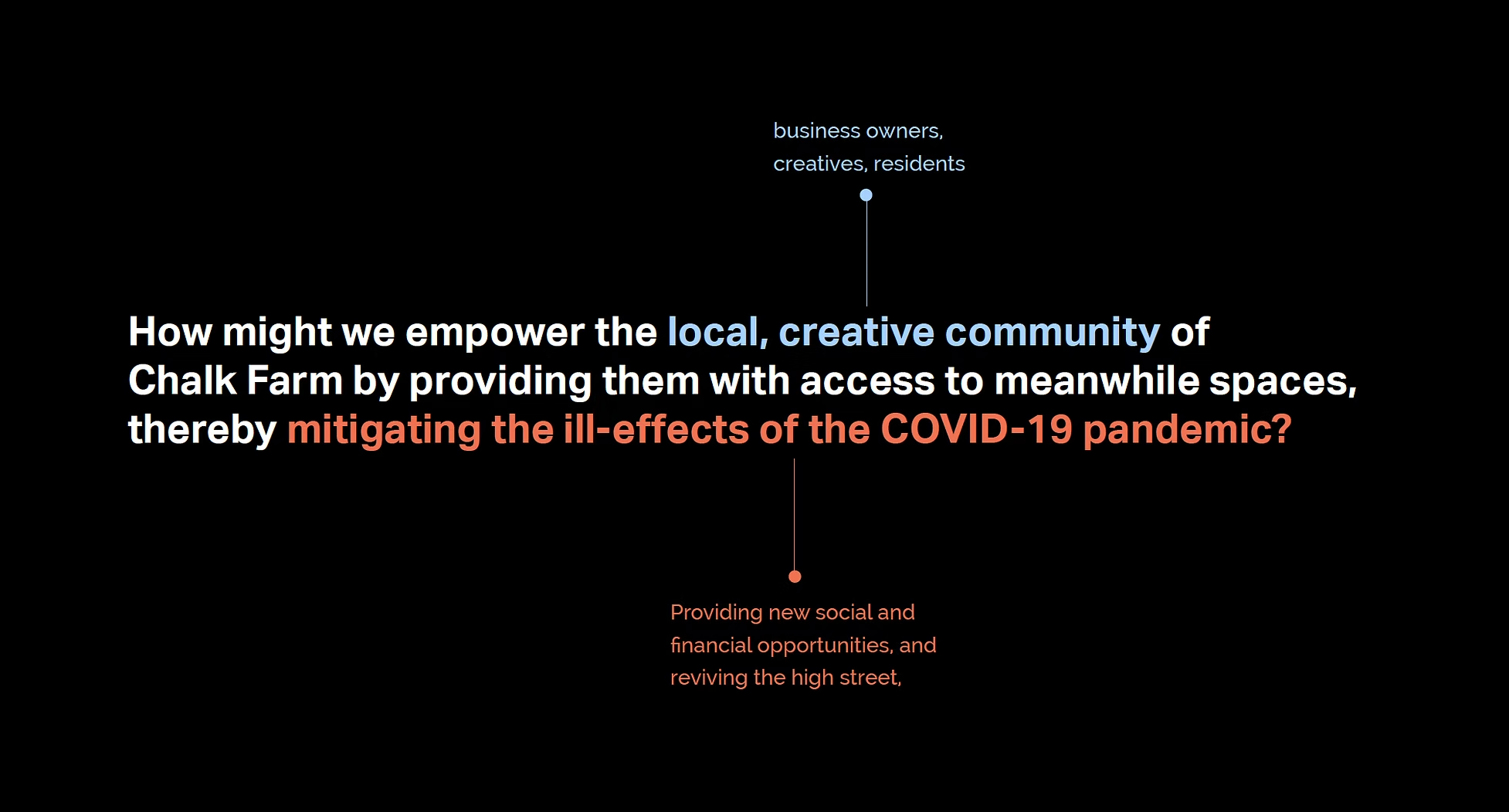
How might we revive a derelict high street by empowering the creative community that once defined it?
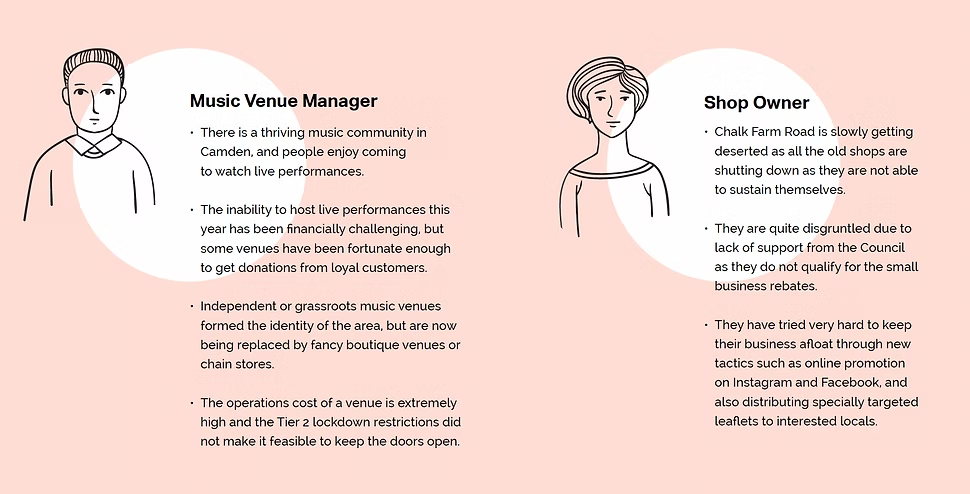
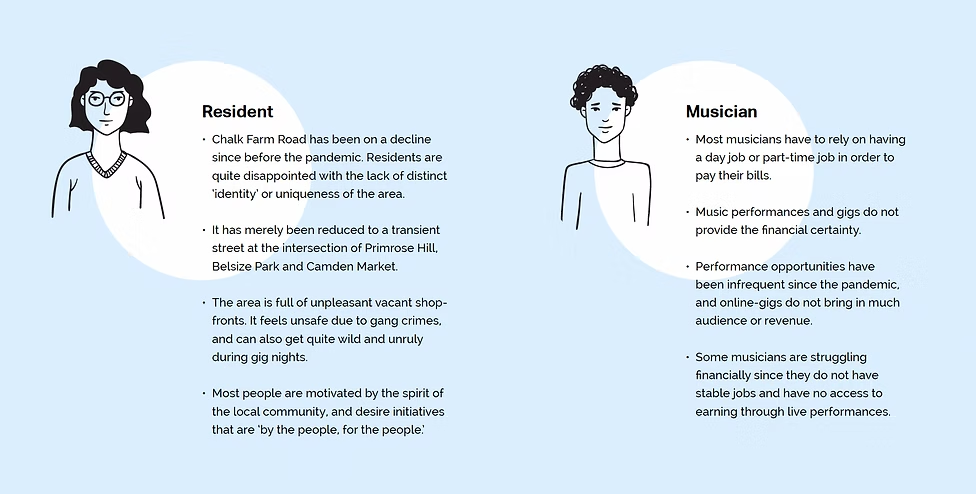
The COVID-19 pandemic devastated Chalk Farm Road. Music venues, cafes, independent shops and community spaces had closed permanently. The street had lost both its economic vitality and its cultural identity. Local musicians and artists had lost their venues and performing opportunities, and the community had lost the spaces that gave the area its character.
The brief, part of Camden's High Street Renewal project, asked how meanwhile spaces (vacant or underutilised sites or spaces on a temporary basis) could be leveraged to rebuild Chalk Farm's creative community and economic resilience.
"The service encourages and empowers the community rather than just providing them with something they do not need."
Stakeholder feedbackMy Approach
Place-based fieldwork and community listening
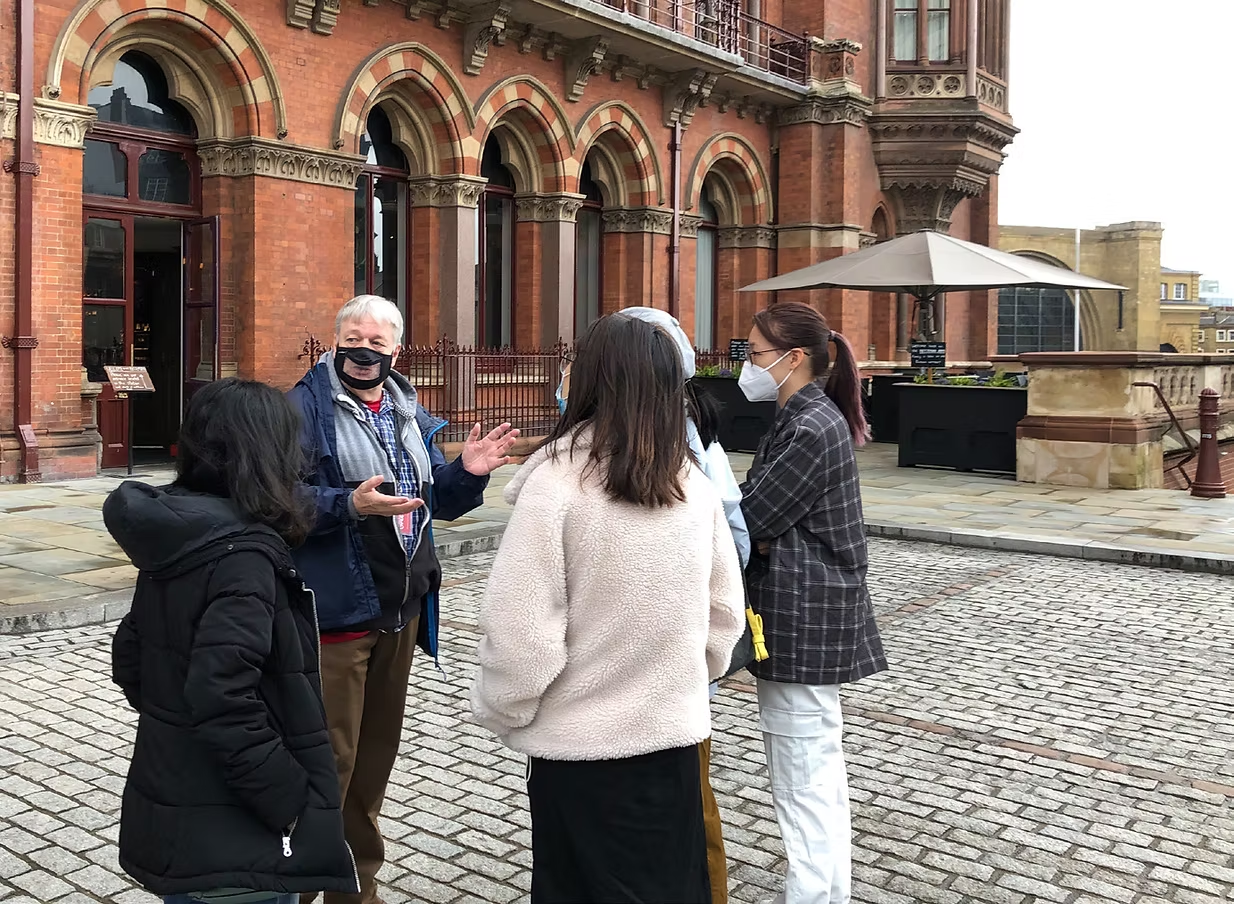
Three months of user research involved extensive place-based fieldwork like walking the street, visiting spaces, talking to local business owners, artists, musicians and community members. Seven field trips grounded the research in the physical and social reality of Chalk Farm.
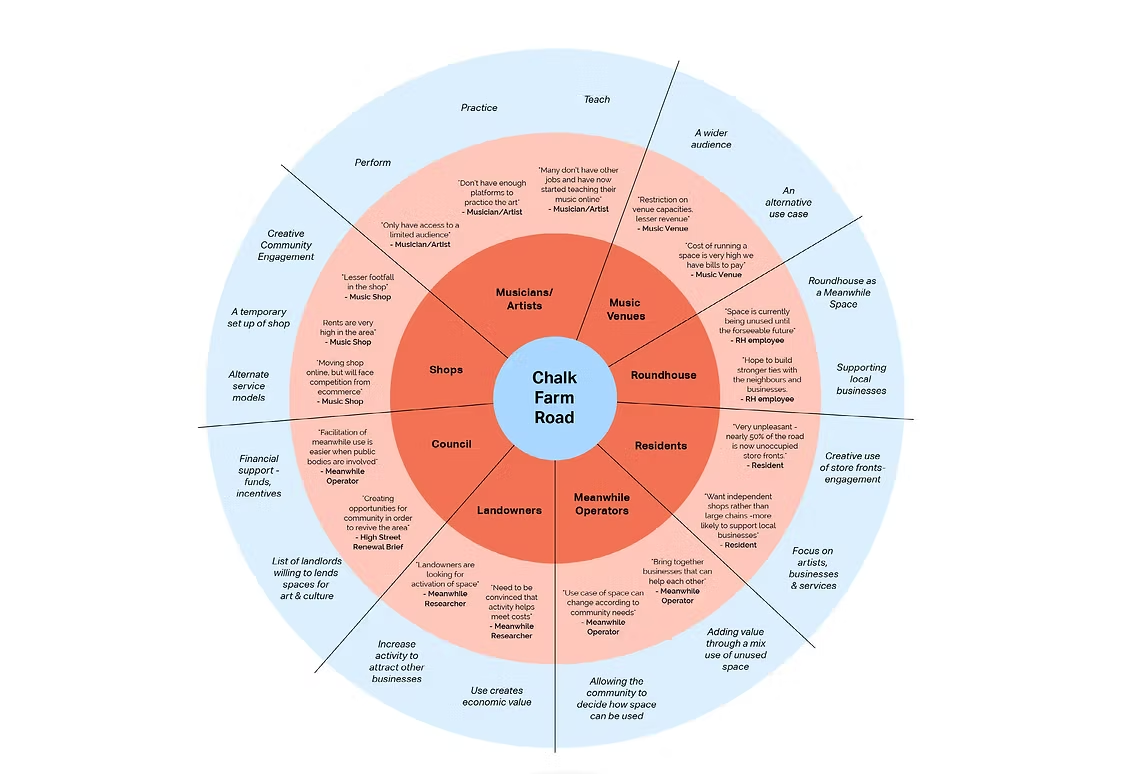
Twenty interviews with local stakeholders, combined with expert interviews and co-design workshops, revealed both the depth of loss and the resilience of the creative community that remained. The research established that the community did not need to be rescued, it needed a platform.
What I Did
A sharing economy for creative practice
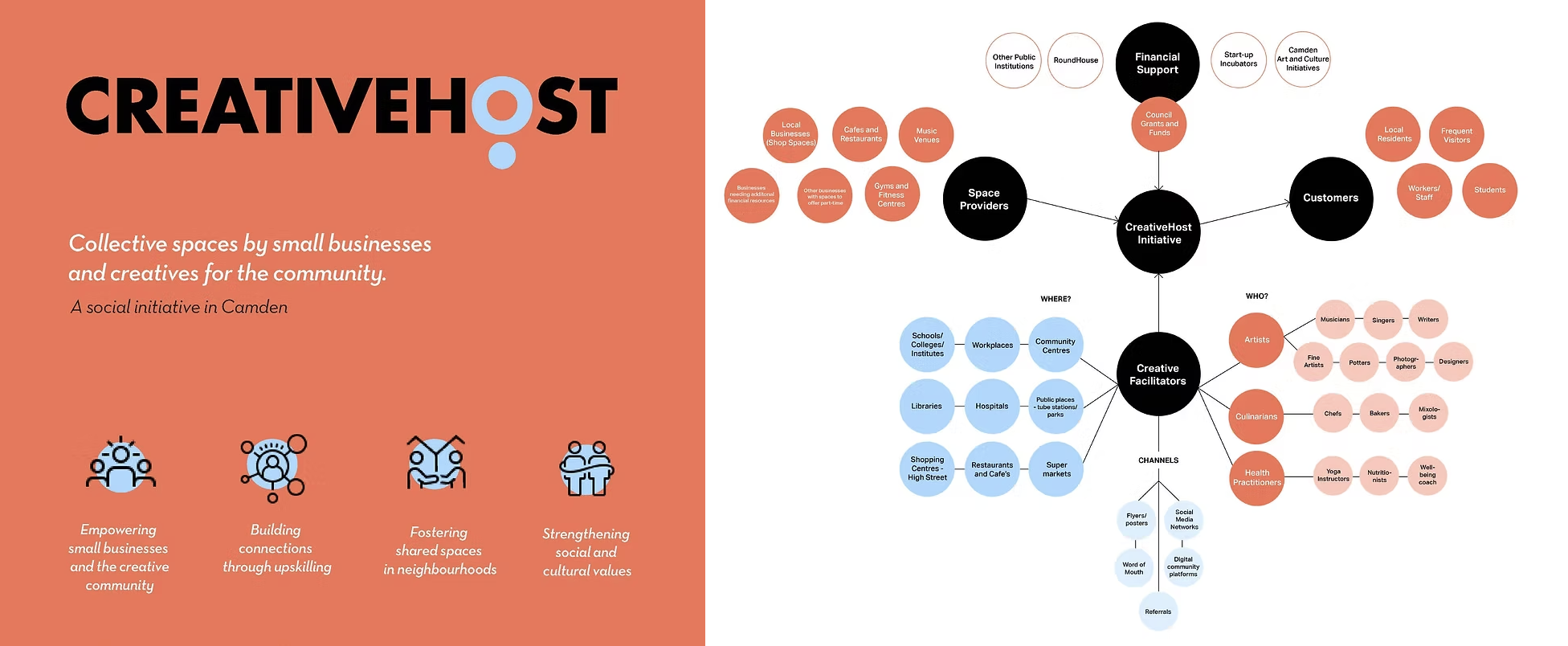
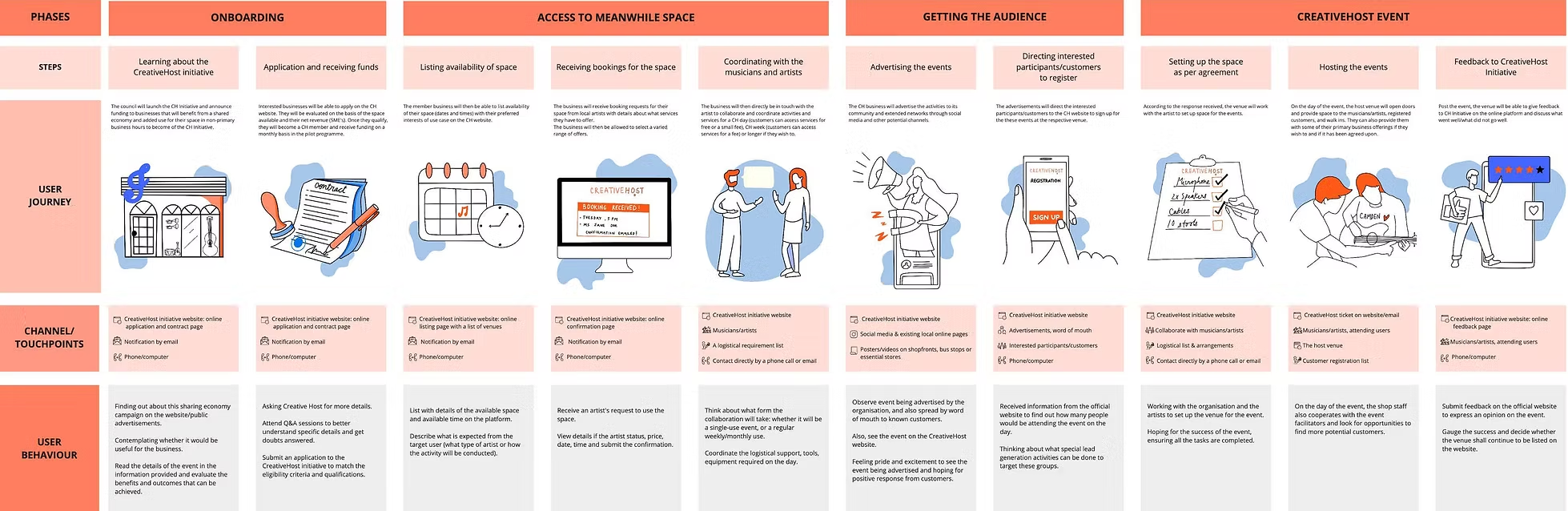
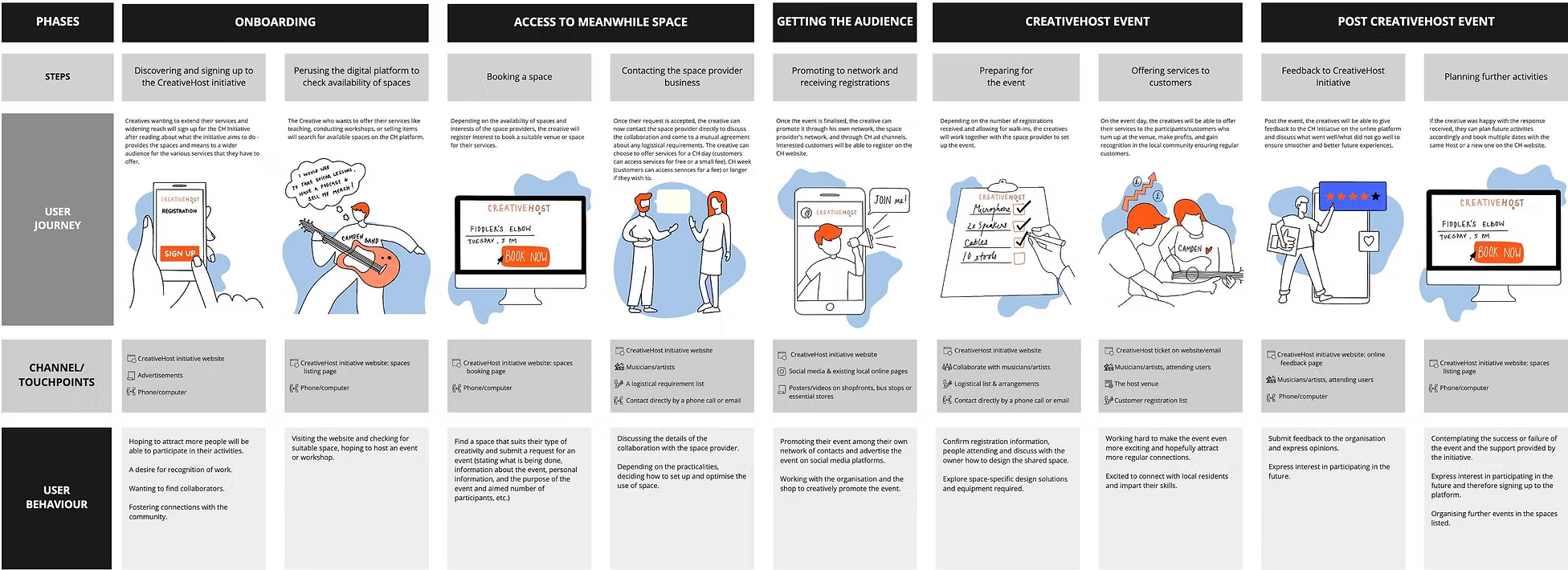
Creative Host is a social initiative introduced by Camden Council to connect local creatives with small businesses willing to share their spaces during non-primary business hours. Venues and shops lease their spaces to artists, musicians and other creatives to run workshops, classes, performances and events for the local community.
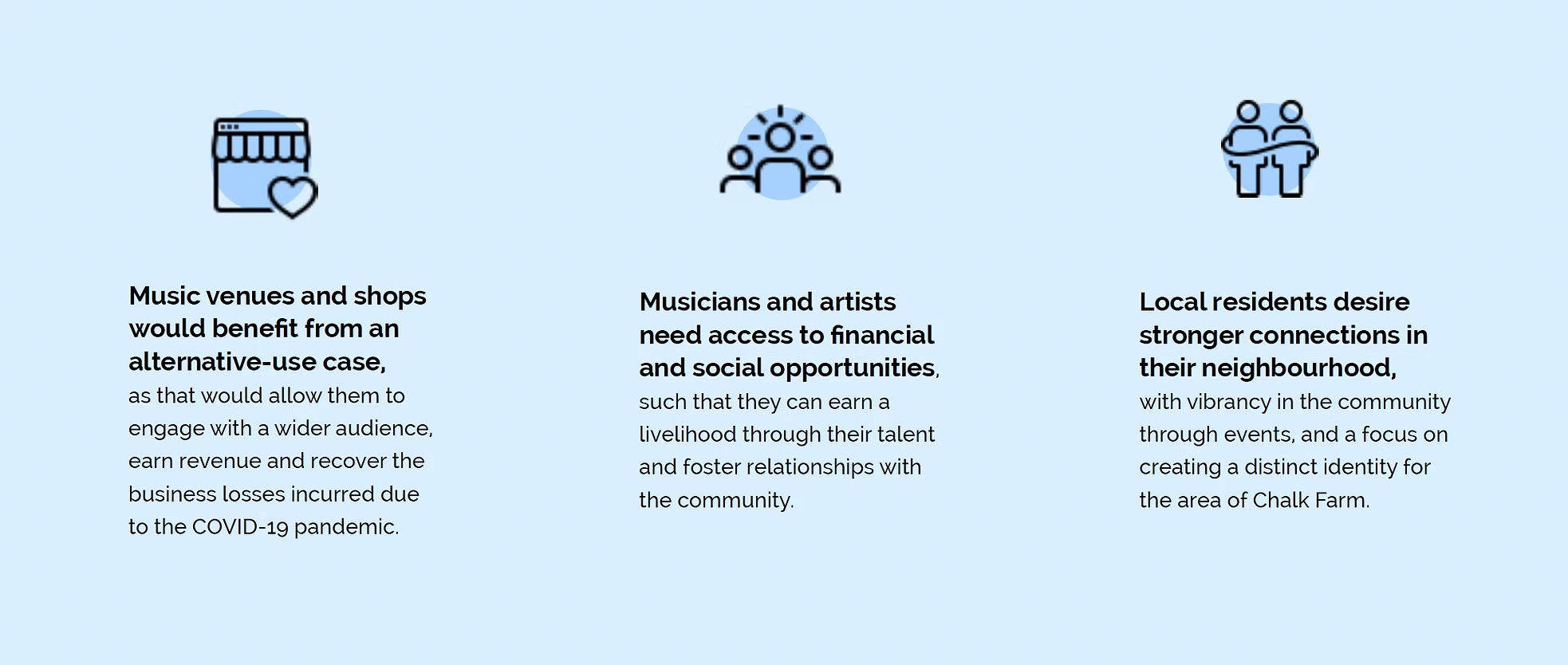
The service creates a dual benefit: small businesses generate additional revenue during quiet hours, while creatives gain affordable access to professional spaces. The upskilling model (where creatives offer skills to the community) builds social capital alongside economic resilience.
Crucially, artists choose their own venues. The service facilitates connection but does not dictate it. This was a direct response to feedback that creatives are specific about the spaces they work in.
Outcomes & Impact
What changed
The project was presented to Camden Council and received positive feedback for its use of existing resources and its empowerment model. Stakeholders noted the significance of letting artists retain agency over where they work, an insight that emerged directly from the community research.
The project was presented at the MA Service Design Showcase at UAL and validated with community stakeholders in Chalk Farm.
Key outcome
"Utilising existing resources to create a meanwhile use case is a good idea. Not matchmaking — letting artists choose the venue is great, as most are very specific about where they work."
What I learned
Creative Host taught me that the best service design often works with what is already there. The existing network of creatives in Chalk Farm showed that communities have resources and relationships that external design interventions often ignore or replace unnecessarily.
This project also showed me the value of community listening as a design method. Therefore, Creative Host is a proposal for a social initiative that brings together small businesses, the creative community, and the locals of Chalk Farm to create a vibrant cultural identity and recover from the losses caused by the pandemic. The service will utilise spaces owned by venues and shops in their non-business hours to provide an additional use case, creating opportunities for the creative community to offer various services to the local community of Chalk Farm
If I were doing this again: I would push harder to involve small business owners as co-designers from the start. They were research participants but could have been genuine partners in shaping the model.